Tummy tuck: is it dangerous?
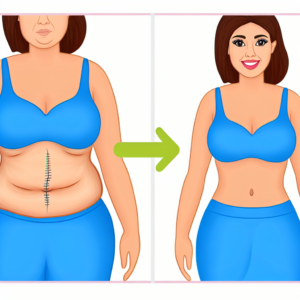
Tummy tuck or abdominoplasty is a surgical procedure used to reshape and tighten the abdomen by removing excess fat and skin.
It can also repair weak or separated abdominal muscles resulting in a firm flat stomach.
Types of tummy tuck surgery
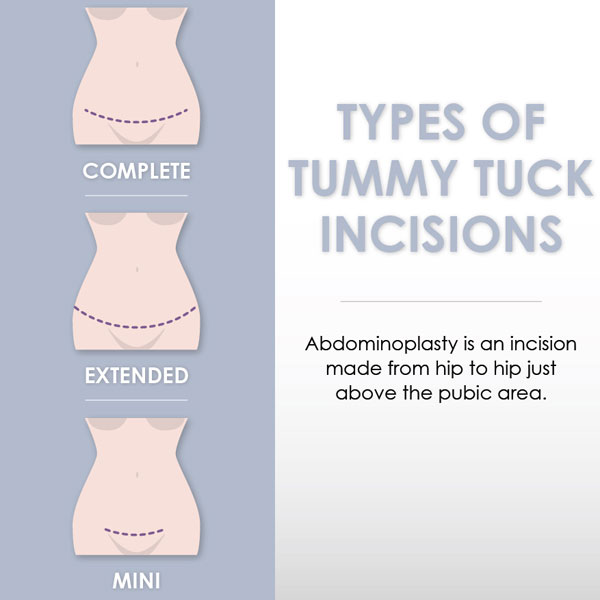
There are different tummy tuck options, your surgeon may suggest to you according to your needs:
Full tummy tuck(complete abdominoplasty)
This type is used to remove excess skin and fat in the entire abdominal area(upper and lower abdomen.
Mini tummy tuck(partial abdominoplasty)
Less invasive option used to remove excess skin, and fat below the belly button.
360-degree tummy tuck(circumferential abdominoplasty or extended tummy tuck)
This type of surgery provides complete body contouring as it removes excess skin, fat deposits, and weakened muscles around the entire midsection of the body(including abdomen, flanks and back).
Benefits of tummy tuck
A tummy tuck isn’t designed for weight loss, it’s most effective for individuals who lose weight and have excess fat and skin that does not respond to diet and exercises.
But it can benefit the body in other ways:
- Improve body contour.
- Increase Self-confidence.
- Improved physical activity.
- Relieve back: in some cases weak abdominal muscles can cause back pain, so tightening and strengthening these muscles can alleviate this pain.
- Improve common bladder problems: it can reduce the symptoms of stress urinary incontinence(leaking of urine if you laugh, sneeze, cough, or do anything that can put pressure on your bladder).
- Also it can fix a ventral hernia (happens when the intestine is pushed through the abdominal wall, so a tummy tuck can fix this problem by strengthening weak abdominal muscles).
Who should get tummy tuck surgery?
The ideal candidate for tummy tuck should:
- Be in good health (if you are diabetic or have heart disease you may not be suitable for this surgery).
- Have a stable body weight and be able to maintain a healthy lifestyle after the surgery.
- Be non smoker or stop smoking before and after the surgery as smoking can delay healing and may cause complications.
- Have excess fat and skin due to weight loss or pregnancy that doesn’t respond to diet or exercises.
- Have weak or separated abdominal muscles due to pregnancy or fluctuating body weight.
Understanding the procedure
Both types of tummy tuck are done under general anaesthia.
Traditional tummy tuck
- A horizontal incision is made across the lower abdomen, and sometimes a vertical incision is needed to remove excess skin and fat from the sides.
- The surgeon removes the excess skin, and fat and tightens the muscles.
- Make an opening in the skin and move the belly button to its position.
- The remaining skin then redroped, and sutured to get smooth and firm abdominal contour.
- The incisions are then closed, covered with bandages and drains may be used to remove excess fluids.
360-degree tummy tuck

- The incision is made around the entire midsection(abdomen, flanks, and back).
- Liposuction is made to remove excess fat from the targeted organs.
- The abdominal muscles tightened to create a firm and more defined midsection.
- The excess skin is removed to give a more smooth and contoured appearance.
- An opening is made in the skin and moves your belly button to its position.
- The incisions are then closed and covered with bandages.
Pain management
Dr. Mahmoud El Hendawy uses PCA(patient-controlled analgesia )for pain management in his clinics.
This method of pain management allows the patient to decide when he will get the dose of pain medicine through a small pump attached to his body.
This method provides controlled and consistent pain relief, reduces the need for frequent injections or oral medications and minimize the risk of over medication.
How it works:
- After the surgery, the doctor decides the starting dose of the pain medicine.
- The doctor will determine the dose you will get each time you press the button and how much time between doses.
Care after tummy tuck surgery:
It’s very important to regularly follow up with your surgeon to monitor healing and give you instructions for recovery without any complications.
The recovery period varies according to:
- The extent of the procedure: 360-degree tummy tuck recovery can take longer time than the traditional one.
- Age: younger patients tend to heal faster than older ones.
- General health: underlying diseases can delay healing.
Post-operative instructions include:
- Oral pain medications and anticoagulants may be given after the surgery for a certain period.
- The doctor may prescribe some topical creams to be applied around the incision site, also ice packs can be applied to the surgical site to reduce swelling and pain.
- Resting after the surgery is very important, you will need some help at home especially in the first few days after the surgery.
- The doctor will teach you how to take care of your incisions and drainage tubes during the recovery period.
- You can take a shower 48 hours after the removal of drainage tubes, you may be advised to use a chair during showering for some time.
- Abdominal support garments will be used to reduce post-surgical swelling, fluid build-up and discomfort during the recovery period (the doctor will tell you the exact period needed every day to put on these garments).
- Smoking is not allowed during recovery as it delays healing and may cause complications, so you must stop smoking for at least 3 months after the surgery.
- You need to avoid vigorous activities and lifting heavy objects for at least 6 months after a tummy tuck.
- You may need to sleep in an inclined position and put a pillow under your knees a few days after the surgery to help reduce swelling and pressure on the abdomen.
- The doctor will advise you to keep moving after surgery (even walking for a short time), to keep blood flowing, help the healing process and reduce the chances of blood clot formation in your legs.
Why is tummy tuck dangerous?
Generally, tummy tuck is a safe surgery, but sometimes adverse reactions can happen as:
- Anesthesia risks (allergic reactions, fluctuation in blood pressure and heart attack or stroke can happen).
- Asymmetry in both sides of the abdomen.
- Poor wound healing.
- Skin discoloration or prolonged swelling.
- Bleeding (if happened may need surgical intervention).
- Deep vein thrombosis, cardiac and pulmonary complications.
- Blood clots can form in the legs leading to serious complications.
- Fluid accumulation under the skin(seroma).
- Change in skin sensation, like numbness due to nerve damage.
- Persistent pain.
- Infection to the surgical site.
- If any of these complications happen you must visit your surgeon immediately.
Frequently asked questions
Are tummy tuck results permanent?
The results are considered permanent, but they may affected by :
Fluctuation of your body weight can stretch skin again, and affect the results of tummy tuck, so it’s important to keep a healthy lifestyle to maximize the benefits of the surgery.
Pregnancy also stretches the abdominal muscles and skin, which affects the surgery results.
How long after tummy tuck can I drive?
The exact timeline varies depending on individual healing rates, and your surgeon recommendations.
Usually, it takes about 2-4 weeks after tummy tuck.
So it’s safe to drive when you are no longer taking pain medications and when you are comfortable getting in and out of your car.
Can a tummy tuck be done during a caesarean section?
It’s not advisable to combine a tummy tuck and a caesarean section for several reasons:
Increased risk of complications such as blood clots, fluid retention, infection, and delayed healing.
Doing a tummy tuck during a caesarean section could interfere with uterine healing and increase the risks of complications.
The uterus and skin are impressively stretched after pregnancy so it’s difficult for the surgeon to determine how much tightening is needed.
So it’s recommended to wait several months after caesarean before undergoing a tummy tuck.
Can a tummy tuck cause a hernia?
It’s not a common complication, but there is a risk of developing an incisional hernia.
(this type of hernia occurs at or near surgical incisions).
Factors that increase the risk of hernia after tummy tuck:
- Excessive physical activity after the surgery.
- Abdominal muscles may not be strong enough to support the internal organs.
- Gaining considerable body weight can increase the pressure on the abdominal wall, leading to a hernia.
- So it’s very important to follow the post-operative instructions, keep a healthy weight, and avoid excess physical activity to reduce the risk of hernia.
- The bottom line tummy tuck is a safe surgery, but it’s very important to choose a qualified surgeon who uses the most advanced surgical and postoperative pain management techniques and follows his instructions to have rapid healing without any complications.
References
https://www.plasticsurgery.org/cosmetic-procedures/tummy-tuck.
https://my.clevelandclinic.org/health/procedures/11017-tummy-tuck.
https://www.webmd.com/beauty/cosmetic-procedures-tummy-tuck.
https://www.healthline.com/health/pregnancy/tummy-tuck-after-c-section#Recovering-from-a-tummy-tuck.
https://www.hopkinsmedicine.org/health/conditions-and-diseases/hernias/incisional-hernia.
https://www.hopkinsmedicine.org/health/treatment-tests-and-therapies/patientcontrolled-analgesia-pumps.
https://www.healthline.com/health/tummy-tuck-recovery#generalguidelines.